(Note: this blog is not for beginners)
Returning To Exercise With Pain Reprocessing Therapy
When we come back to exercise after reading The Way Out, learning about Pain Reprocessing Therapy (PRT), or having done some pain reprocessing therapy ourselves, it is common to hit a bit of a plateau.
We know how to somatic track, we have a better hold on symptom flares, but the body still gives us mixed signals sometimes. We get a bit stuck because we don’t quite know what to do next.
Why Exercise Can Feel Confusing After PRT
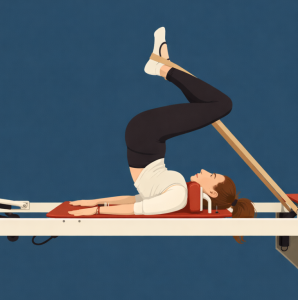
Picture this: You are in a Pilates class and the instructor asks you to do something like short spine. Or any other big bend like roll over, jackknife, or overhead.
You might do the activity and say, ok great, I feel the work in my abdominals, but I also have this tightness in my back… should I back off?
Understanding Mixed Signals in the Body
I am getting one signal that says I’m doing well and another that says maybe not.
Maybe as we continue in the exercise we start to feel some sensation in the neck, but actually feel our hamstrings working (woot for hamstrings).
The 4 Levels of Returning to Movement With PRT
Level 1: When Fear Is Still Present
You know the back stretch or the pressure in your neck makes you fearful.
You also know that if you keep focusing on the sensation, or just noticing it over and over again as you move through the class, the sensation tends to get worse.
Back off.
Ask for adjustments from the instructor.
Take a break.
Breathe.
Level 2: Shifting Focus to Neutral or Positive Sensations
Maybe you are able to pause and lean into the positive or neutral sensation of your hamstrings or your abs.
You are able to breathe and stay curious about sensations arising.
Ok, keep going.
Maybe you back off the intensity of the bend and keep leaning into the abdominal or hamstring sensation, trying to keep that sensation throughout the range (and maybe that range gets smaller), but it allows you to explore the hamstrings and abs in a different shape.
Level 3: Building Confidence With Sensation
You have been at this for a while.
You know PRT like the back of your hand.
You see that the stretch in your back is a sensation you feel relatively neutral about, and you tell yourself ok this is good. I’m not going to push myself, but I am going to allow myself to watch this sensation and track around it while I notice it arise.
The sensation stays the same or gets better as you move.
You continue the exercise.
Level 4: Moving Without Fear or Pressure
You know the stretch in your back might be a good sign that you are relaxing and getting into a range you usually don’t get into.
You don’t have fear, or worry about it.
You aren’t trying to push through.
You aren’t trying to please the instructor.
You aren’t trying to be perfect at the exercise.
You aren’t bracing because you think it will hurt or something else will go wrong.
You aren’t mad at yourself for not doing it the way you think you could or should.
And you aren’t ignoring the sensation and zoning out.
You continue the exercise and often find that the abdominal and hamstring sensations get stronger.
You are the ultimate PRT expert 🙂
All of these levels take time and practice. They might sound simple on paper, but there is a lot of work you have already done, even just to get to level 1.
Want to talk about your specific experience? Want to understand how the skills you already have in Pain Reprocessing Therapy can help propel you forward into more complex movements, or reach your long-time movement goals?
Book an appointment with Katie or Catherine at our Vancouver physio clinic.